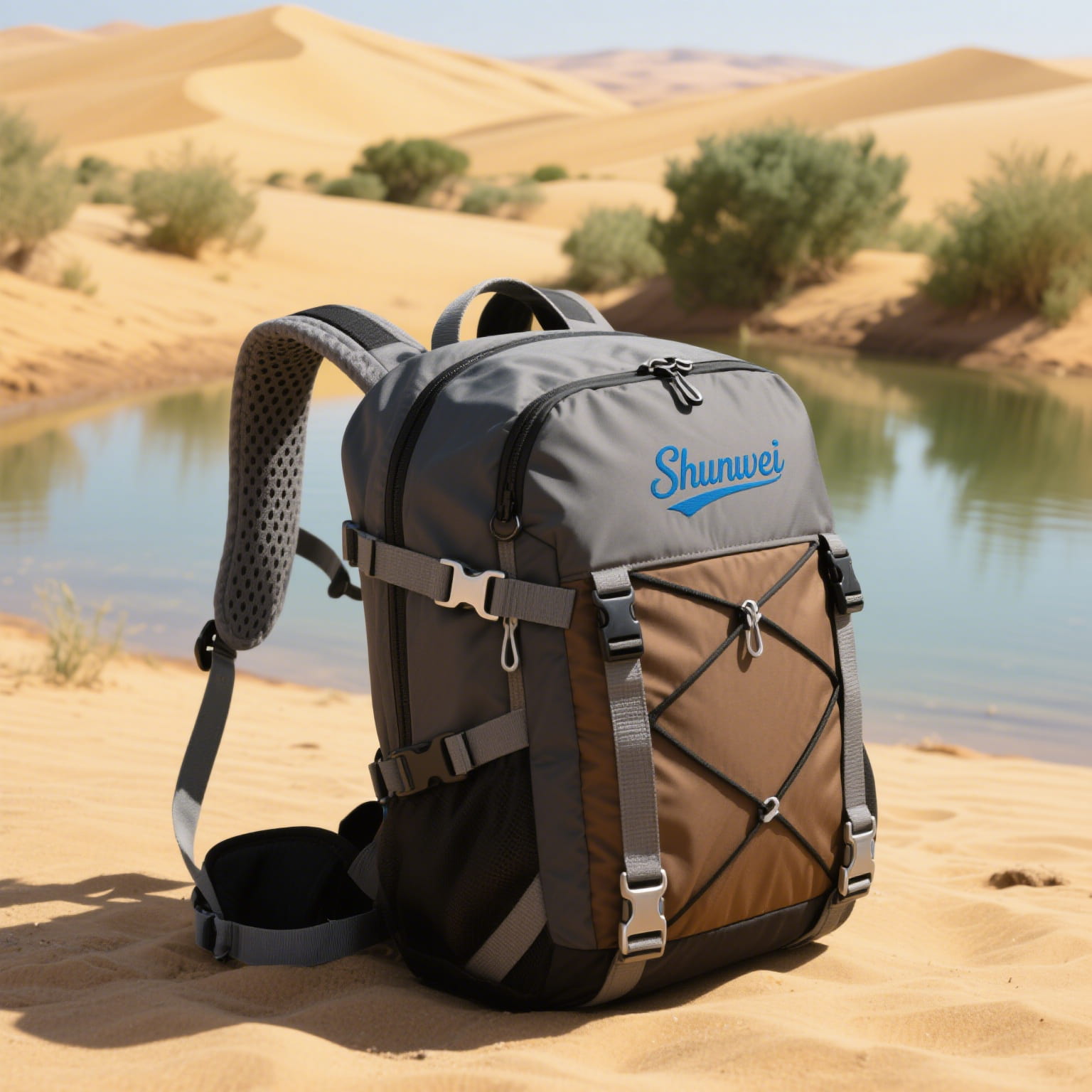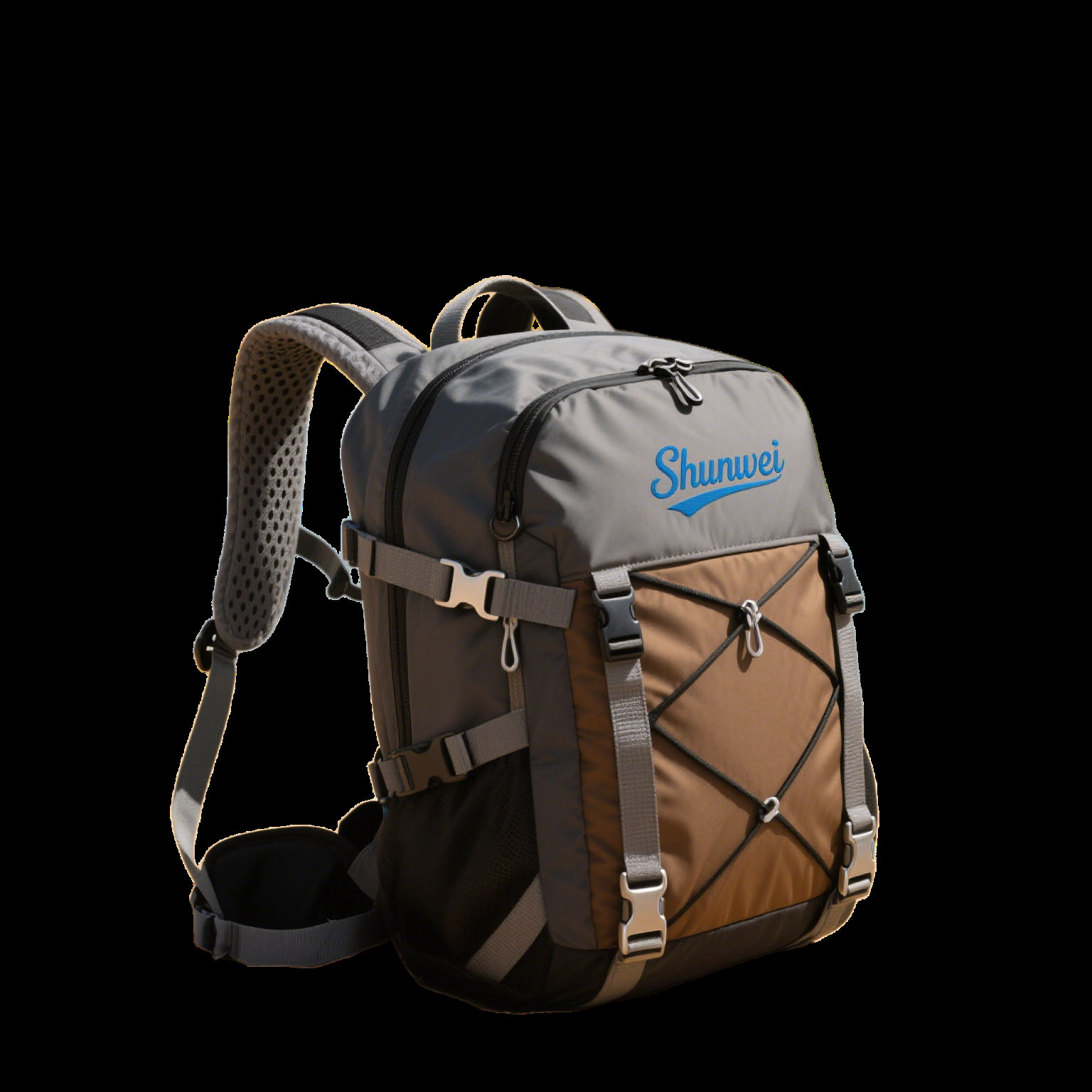

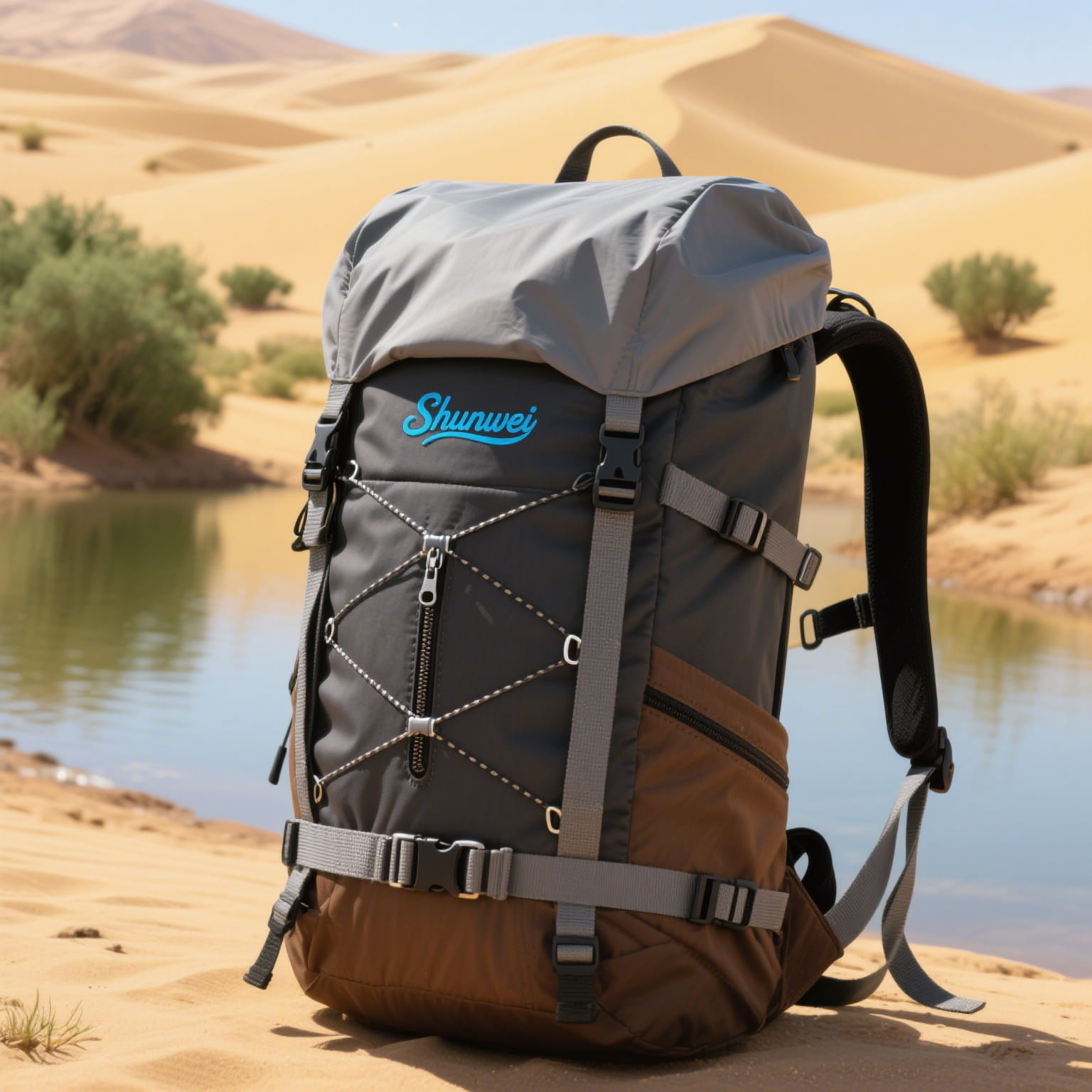
Design & Aesthetic Features a soft grayish-white hue that balances elegance and practicality, complementing both outdoor landscapes and urban settings. Minimalist, timeless silhouette with a 22L capacity—neither overly bulky nor too small—with clean lines and a structured-yet-flexible shape. Subtle details like a classic buckle closure and understated trim, avoiding excessive ornamentation for versatile style. Material & Durability Made from 350D recycled polyester with ripstop technology, lightweight yet tear-resistant, and treated with a water-repellent coating for light rain protection. Stain-resistant formulation for the grayish-white color, allowing easy removal of dirt/mud with a damp cloth. Reinforced stress points (strap attachments, bottom panel, zipper edges) with extra stitching; rubber-lined bottom for scratch protection. Smooth-gliding nylon zippers (matte silver pulls) and sturdy, lightweight buckles for reliable performance. Storage & Organization Main Compartment: Spacious enough for essentials (clothes, lunch, first-aid kit) with a mesh zip pocket for small items. Front Utility Pocket: Zippered design with slip pockets (for phone/wallet) and a key clip, offering quick access to frequently used items. Side Pockets: Elasticized mesh pockets to hold 750ml water bottles, umbrellas, or trekking poles. Hidden Laptop Sleeve: Padded, fleece-lined sleeve fitting 14” laptops, ideal for commutes or post-hike work. Comfort & Ergonomics Wide (2.5”), padded shoulder straps with breathable foam and adjustable length (17”–27”), plus a removable sternum strap to prevent slipping. Contoured back panel with ventilation channels for airflow, reducing sweat and providing spinal support. Reinforced top handle for easy lifting or hanging. Versatility Suitable for short hikes, nature walks, picnics, daily commutes, and travel (fits under airplane seats as a personal item). Seamlessly transitions from outdoor adventures to urban settings, pairing with casual or semi-formal attire. Sustainability 40% recycled polyester (from plastic bottles) reduces environmental impact. Uses low-impact, water-based dyes and is produced in a facility with renewable energy. Easy to maintain with spot cleaning, promoting long-term use to minimize waste.
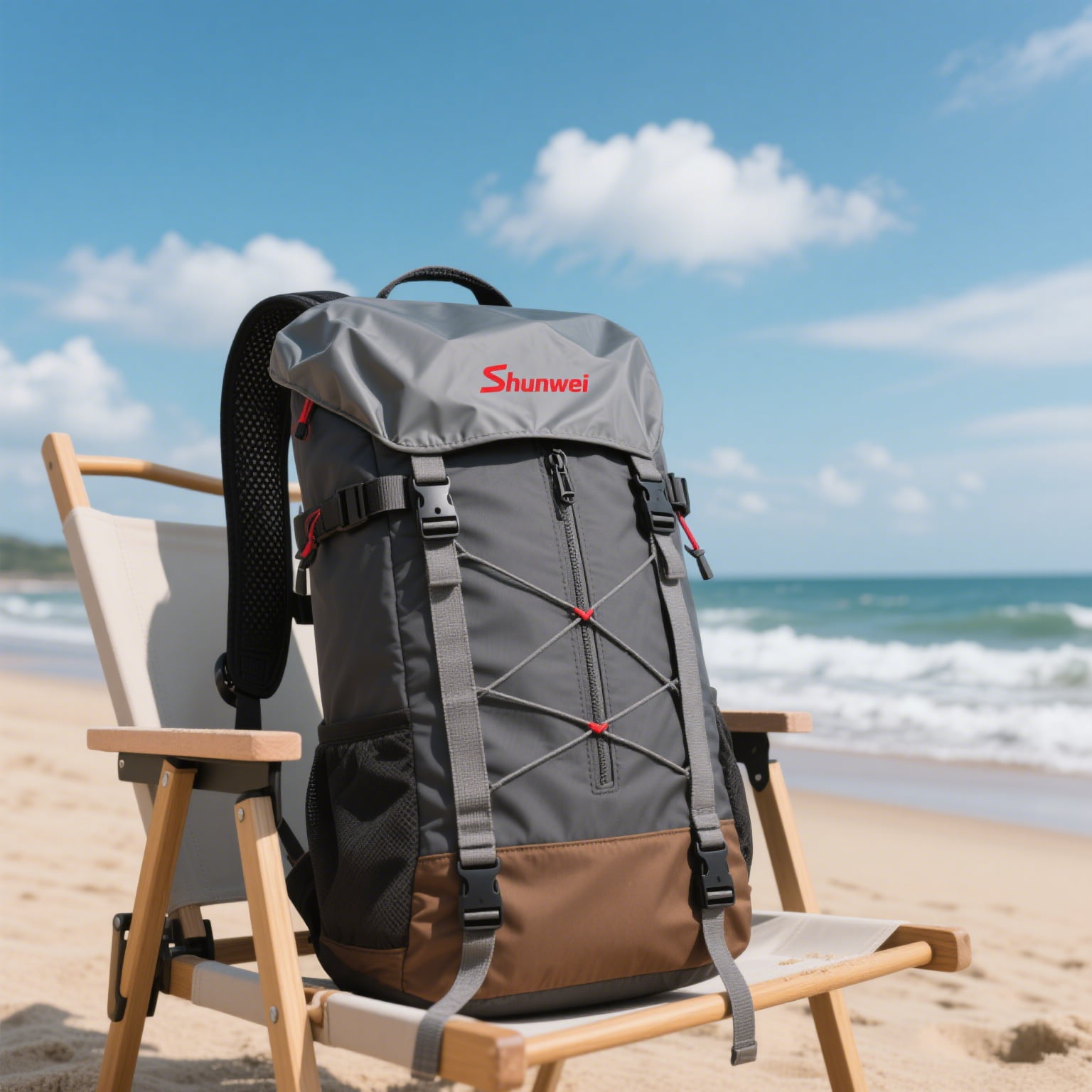
Design and Appearance: Color: Sleek grey color, which is both stylish and practical for hiding dirt. Aesthetics: May evoke the look of rocks, blending well with natural outdoor settings. Branding: Tasteful and subtle display of the brand name or logo. Material and Durability: Fabric: Made from durable materials like nylon or polyester. Weather Resistance: Wind Resistance: Designed to resist wind, likely through tightly – woven fabric or a coating. Water – Resistance: Offers some level of water – resistance to protect contents from light rain. Straps and Hardware: Sturdy Straps: Padded and adjustable shoulder straps for comfort. Durable Hardware: Buckles, zippers, and other components made of sturdy materials. Compartmentalization and Storage: Main Compartment: Adequate Capacity: Holds essential items for short – distance hikes. Organization: May have internal pockets for organized storage. External Pockets: Quick – Access Pockets: For items like maps, compasses, etc. Side Pockets: Useful for holding water bottles or small umbrellas. Comfort and Ergonomics: Back Design: Ventilated Back Panel: Improves air circulation to keep your back cool. Contoured Fit: May have a back panel contoured to fit the spine for support. Practicality for Short – Distance Hikes: Size and Weight: Compact Size: Lightweight and compact, suitable for short – distance hikes. Balanced Weight Distribution: Ensures even weight distribution across the back. Versatility: Can be used for other outdoor activities like nature walks and picnics.
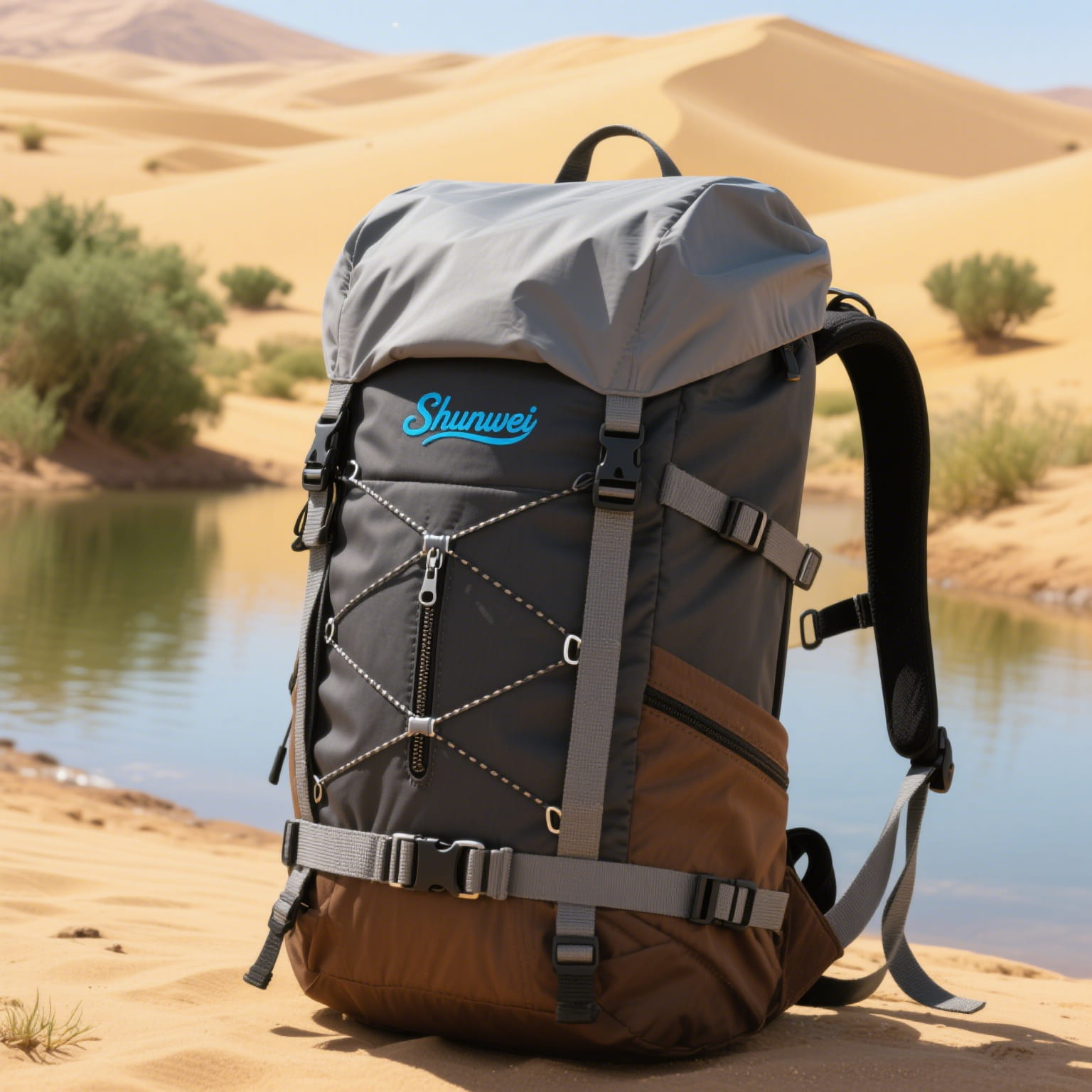
Design & Aesthetic Timeless, understated design with a balanced, medium-capacity (20–25L) silhouette, avoiding excessive bulk. Available in neutral tones (charcoal, olive, sand) that blend with outdoor and urban settings. Subtle branding with an embossed logo, emphasizing quality over flashy details. Material & Durability Made from 450D recycled polyester, lightweight yet tear-resistant, with a water-repellent coating for light rain protection. Reinforced stress points (double-stitched straps, PVC-lined bottom panel) for longevity. Smooth-gliding, self-locking nylon zippers and high-impact plastic buckles for reliable performance. Storage & Organization Main Compartment: Spacious enough for essentials (jacket, lunch, first-aid kit) with a mesh zip pocket and Velcro divider. Front Flap Pocket: Magnetic-closure design with slip pockets and a key clip for quick access to maps, phones, or snacks. Side Pockets: Stretch mesh pockets for water bottles or umbrellas. Hidden Security Pocket: Zippered back panel pocket for valuables like wallets or IDs. Comfort & Ergonomics Padded, adjustable shoulder straps (16”–24” length) with moisture-wicking mesh for even weight distribution. Curved EVA foam back panel with air channels to reduce sweat and enhance breathability. Sturdy top webbing handle for easy lifting or hanging. Versatility Suitable for short hikes, urban errands, picnics, or travel (fits under airplane seats as a personal item). Accommodates a 13” laptop, making it functional for daily commutes. Sustainability Uses 450D recycled polyester (from plastic bottles) to reduce environmental impact. Minimal, 100% recycled cardboard packaging, designed for long-term use to minimize waste.
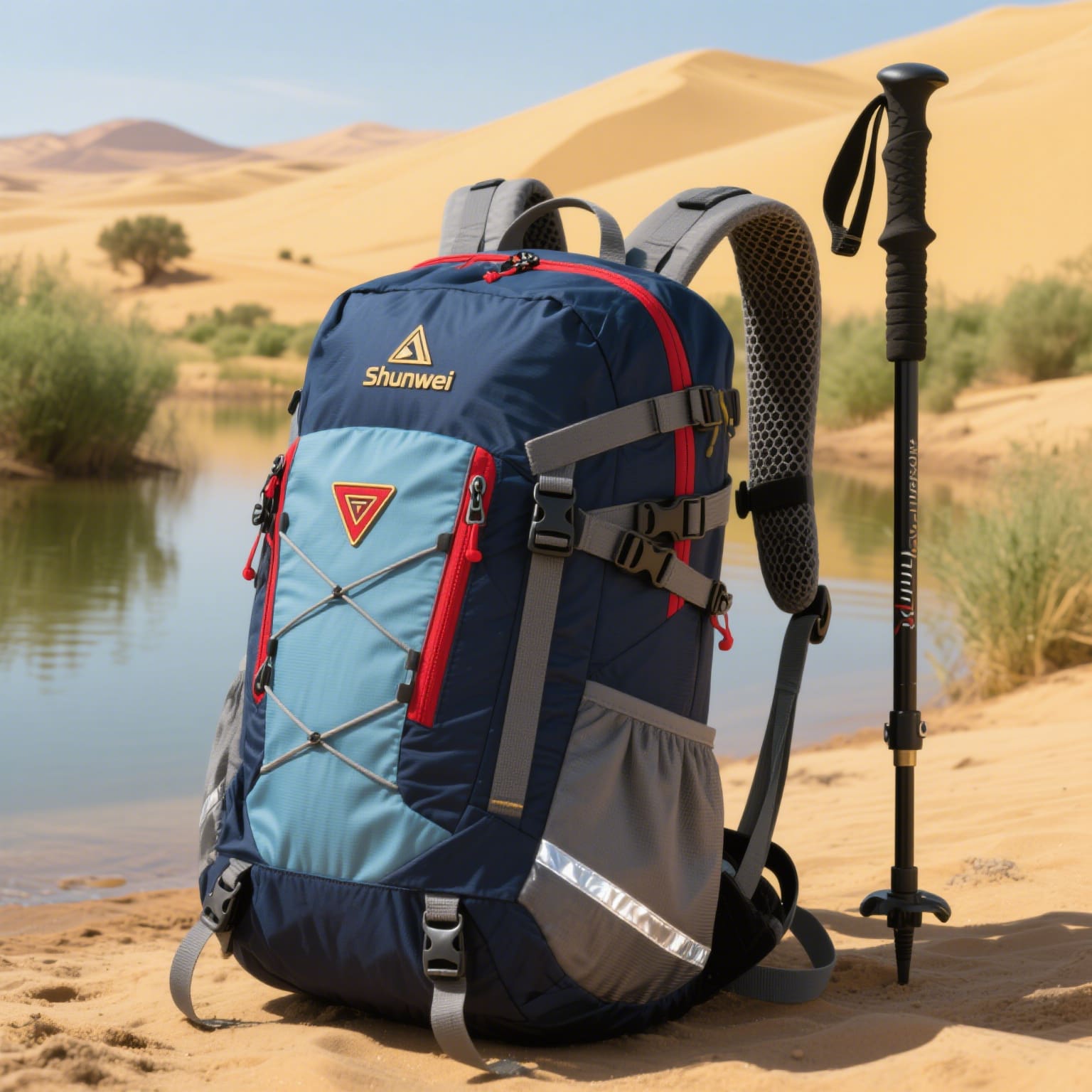
Design and Aesthetics Fashion – Forward: Combines modern style with outdoor functionality. Color Options: Available in various colors to suit personal style. Branding: Tasteful logo display for brand recognition. Stylish Hardware: Zippers and hardware are both functional and aesthetically pleasing. Material and Durability High – Quality Fabric: Made from durable, water – resistant materials like nylon or polyester. Reinforced Construction: Reinforced seams and stress points for heavy – duty use. Weather Resistance: Water – repellent coating to protect contents from rain. Scratch – Resistant: Exterior finish resists scratches and abrasions. Compartmentalization and Storage Spacious Main Compartment: Generously sized to hold hiking essentials. Internal Organization: May have internal pockets or dividers for organization. External Pockets: Multiple external pockets for quick – access items. Expandable Features: Some models have expandable compartments. Comfort and Ergonomics Padded Shoulder Straps: Well – padded straps for comfort and even weight distribution. Adjustable Straps: Straps can be adjusted to fit different body sizes. Ventilated Back Panel: Ventilated design to reduce sweat. Contoured Fit: Back panel may be contoured for spinal support. Hip Belt (Optional): Some bags have a padded hip belt for weight transfer. Practicality in Outdoor Environments Versatility: Suitable for various outdoor activities. Attachment Points: Has points for attaching additional gear. Safety Features: May include reflective elements for low – light visibility. Secure Closures: Zippers and closures are designed to keep items secure. Additional Features Tech – Friendly: Some models have laptop/ tablet sleeves and cable management. Eco – Friendly Options: Some brands use recycled or sustainable materials.
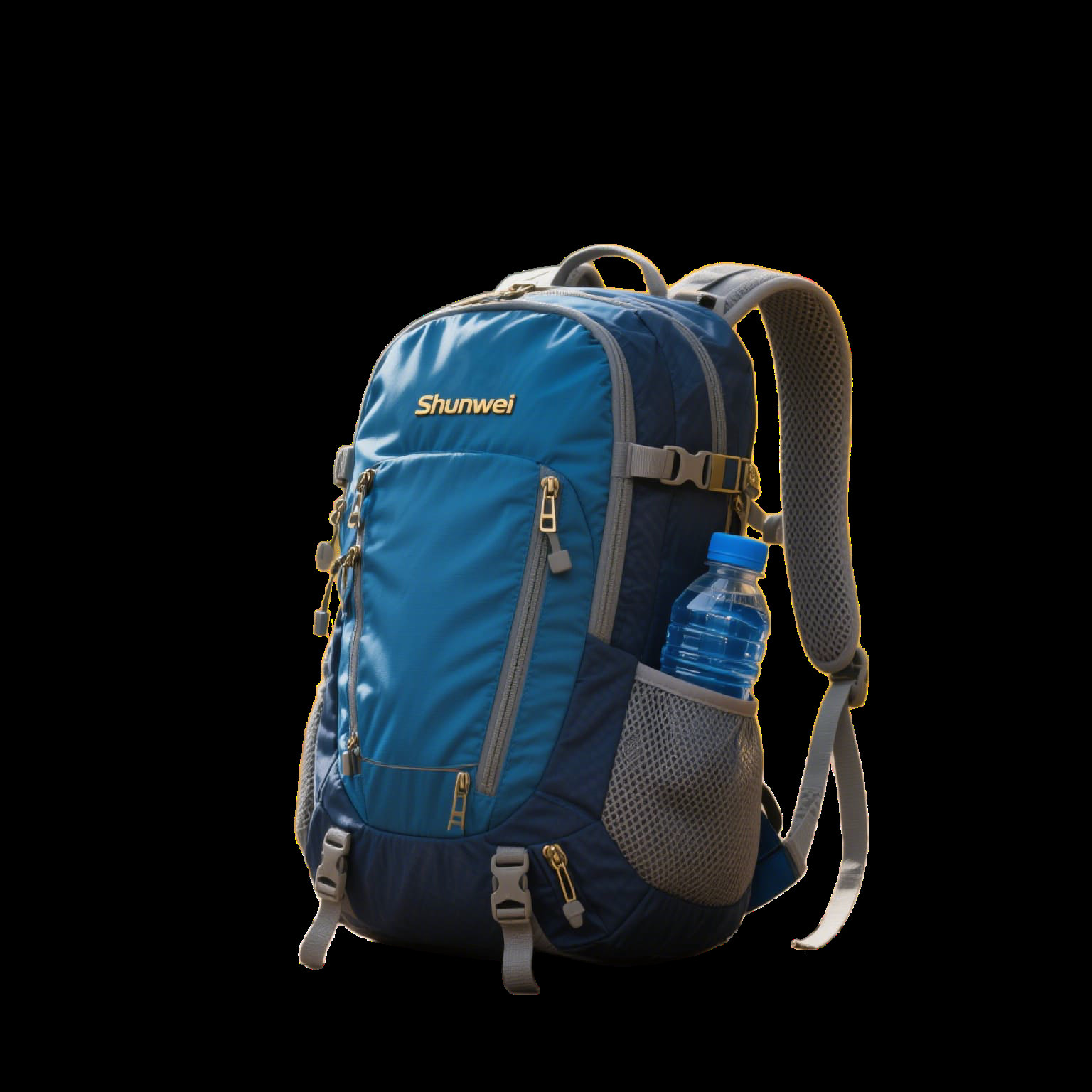
Color: The bag is blue, which is visually appealing and easily identifiable. Brand: The brand “Shunwei” is displayed on the front. Material: It appears to be made of durable, lightweight materials like nylon or polyester, with sturdy straps and hardware. Compartments: There is a roomy main compartment and multiple external pockets, including a side mesh pocket for a water bottle. Comfort: The bag likely has a cushioned back panel and adjustable, padded shoulder straps for comfort. Functionality: It is suitable for short – distance hikes, nature walks, or day – trips, with good durability for outdoor use. Additional Features: It may have loops or rings for attaching accessories and possibly reflective elements for safety.
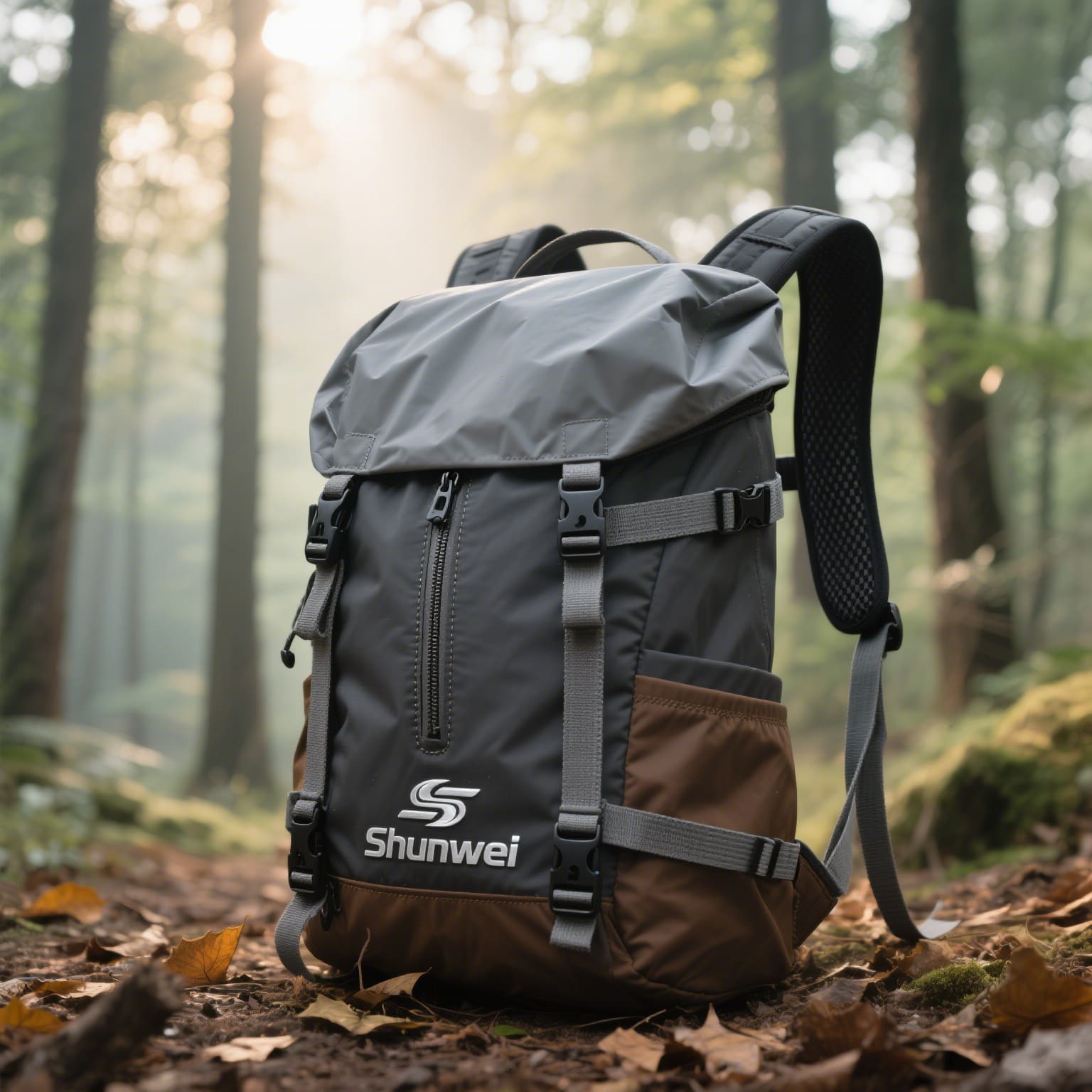
Design: The backpack has a rugged, earthy design with a combination of gray and brown colors. Brand: The brand “Shunwei” is prominently displayed on the front. Material: It appears to be made of durable, water – resistant materials suitable for mountainous environments. Compartments: There are multiple compartments, including a spacious main compartment and several external pockets for organized storage. Attachment Points: The backpack has attachment points for securing additional gear like trekking poles or sleeping bags. Comfort Features: It likely has an ergonomic back design, padded shoulder straps, and possibly a hip belt for comfortable carrying of heavy loads. Weather Resistance: The design suggests it is weather – resistant, ideal for mountainous regions with rain, snow, or wind. Additional Features: High – quality zippers, durable hardware, and loops/ rings for attaching accessories.